Roof Replacement Timelines: From First Quote to Clean-Up
Replacing a roof is one of the largest maintenance investments a Brisbane Northside homeowner will make, and understanding the timeline helps you plan around work, family life and the region's unpredictable weather. From suburbs like Chermside, Aspley and Strathpine to Kedron, Bald Hills and Samford Valley, the process follows a similar path. This guide explains each stage, how long it typically takes, and what can speed up or delay your project in 2026.
The Big Picture: How Long Does a Roof Replacement Take?
From the first phone call to the final clean-up, most residential re-roofing projects on the Northside take between four and twelve weeks. The actual on-site work is usually the shortest part, often just two to seven working days for an average home. The remainder is taken up by quoting, inspections, approvals, material ordering and scheduling.
Several factors influence the overall timeframe:
- Roof size and complexity: Multiple gables, valleys, skylights and steep pitches add time.
- Material choice: Colorbond steel, concrete tiles, terracotta tiles and metal sheeting have different lead times and installation speeds.
- Existing roof condition: Rotten battens, damaged sarking or compromised rafters require repairs before the new roof goes on.
- Weather: Brisbane's summer storm season (typically November to March) can interrupt work regularly.
- Council or certifier requirements: Heritage overlays, character residences and structural changes may need approvals.
Stage 1: Research and Getting Quotes (1 to 3 Weeks)
The first stage is gathering information and obtaining quotes. Most reputable roofers offer on-site inspections, and many Northside businesses can attend within a few days to two weeks, depending on demand. After storms or hail events, wait times can stretch longer as insurance-related work increases.
What to Prepare
Before requesting quotes, check your home's age, the existing roof material and whether you have noticed leaks, rusted sheets, cracked tiles or sagging sections. Take photos of any problem areas. If your home was built before the mid-1980s, ask about asbestos, as some older Brisbane homes contain asbestos-cement roofing sheets that require licensed removal.
Comparing Quotes
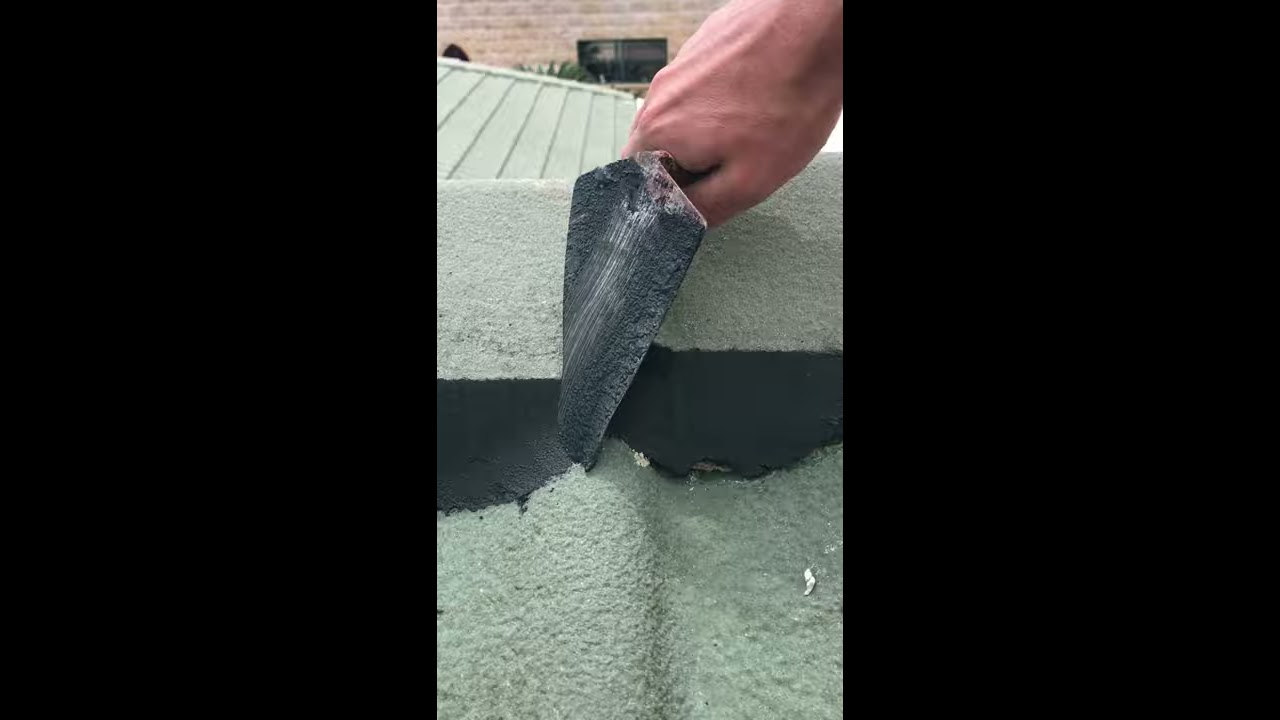
Aim for at least three written quotes. A thorough quote should list the materials and brands, the roof area, removal and disposal of old materials, flashings, gutters and downpipes if included, insulation or sarking, warranty details and an estimated start and completion window. Confirm that the contractor holds a current Queensland Building and Construction Commission (QBCC) licence suitable for roofing work and carries appropriate insurance.
Stage 2: Choosing a Contractor and Finalising Scope (1 to 2 Weeks)
Once you have compared quotes, allow time to check references, verify licences on the QBCC website and clarify any differences in scope. For domestic building work over the legislated thresholds, Queensland requires a written contract, and the contractor must provide specific information including payment terms and any statutory warranty details. Read these carefully before signing.

This is also the time to confirm colours, profiles and finishes. Colorbond colour selection matters beyond aesthetics. Lighter colours reflect more heat, which is relevant for Brisbane's hot, humid summers and can contribute to lower cooling costs.
Stage 3: Approvals, Engineering and Insurance (0 to 6 Weeks)
Many like-for-like roof replacements do not require a development application, but there are exceptions. Homes in character overlay areas, which are common in older Northside suburbs such as Wilston, Clayfield and Ascot, may have rules about visible changes to roof materials or profiles. Changing from tiles to metal sheeting can also mean the roof structure must be assessed, because tiled roofs are significantly heavier and framing designed for tiles may be treated differently from framing for sheeting.
Check with Brisbane City Council or a private certifier if you are unsure. If your roof is being replaced following storm damage, your insurer may need to approve the scope of work and assess the claim first. This step can add several weeks, so lodge claims promptly and keep detailed photographs and records.
Stage 4: Material Ordering and Scheduling (1 to 4 Weeks)
After the contract is signed, materials are ordered. Standard Colorbond profiles and colours are often available within one to two weeks. Specialty tiles, custom flashings or less common colours may take longer. Supply chain conditions have generally stabilised compared with earlier in the decade, but lead times can still lengthen after major weather events when demand surges across South East Queensland.
Your contractor will then schedule a start date. Good roofers build in buffer time for weather. Ask for a realistic window rather than a single date, and confirm how they will communicate delays.
Stage 5: Preparing Your Property (A Few Days Before Start)
Preparation protects your home and speeds up the job. Typical steps include:
- Trim overhanging branches and clear access around the house.
- Move vehicles, outdoor furniture, pot plants and trampolines away from the work zone.
- Remove or secure items on walls that may vibrate, such as framed pictures and mirrors, and cover items in the roof space or attic.
- Let neighbours know about noise and skip bin or truck placement.
- Arrange for pets to be kept away from the work area, as noise and falling debris can be stressful and hazardous.
- Confirm access to power and water if the crew needs them.
Stage 6: The Installation Itself (2 to 7+ Working Days)
On-site work generally follows a set sequence, and understanding it helps you track progress.
Day One: Setup and Strip-Out
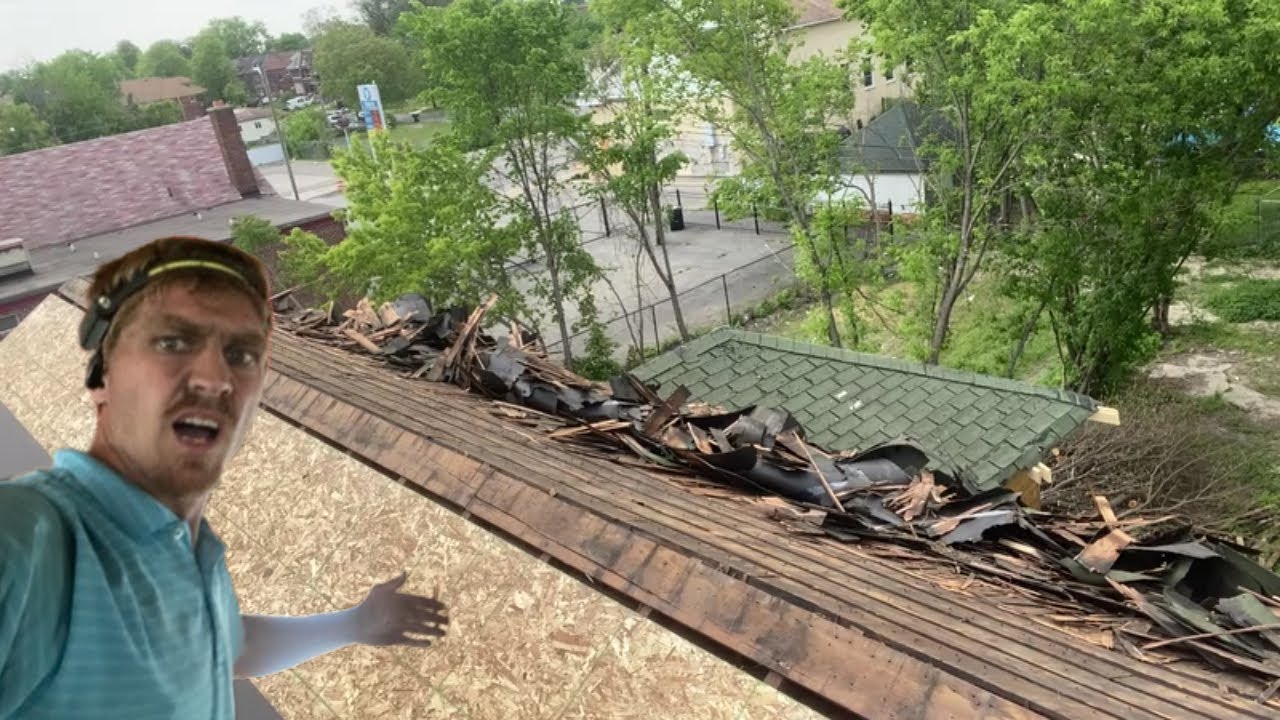
Crews install safety systems such as edge protection and scaffolding where required, in line with Queensland work health and safety obligations for work at height. They then strip the old roofing, remove ridge capping or sheets, and place debris into skip bins. A typical home takes one to two days for removal, though tile roofs can take longer because of their weight and volume.
Repairs and Underlay
With the old roof removed, the roofer inspects battens, rafters and trusses. Any damaged timber is replaced. Sarking or building wrap is installed to improve moisture control, and insulation may be added or upgraded. Because Brisbane summers are hot, many homeowners take this chance to add anticondensation blanket or bulk insulation. This stage commonly takes one day, but significant timber repairs can extend it.
Installing the New Roofing
Sheets or tiles are fixed according to manufacturer specifications and the Australian Standards for roofing in the relevant wind region. South East Queensland is in a cyclonic-influenced wind zone for some areas, so correct fixing and fastener spacing are important. Metal roofs on an average Northside home commonly go on in two to four days, while tile roofs often require four to seven days, including bedding and pointing of ridge capping.
Flashings, Gutters and Finishing
Flashings around chimneys, skylights, valleys and wall junctions are installed to keep out water. If gutters and downpipes are being replaced, this often occurs near the end of https://roofrestorationbrisbanenorthside.com.au/painting-sealing/ the project. Quality flashing work is one of the most important factors in preventing leaks.
Weather Considerations on Brisbane's Northside
Brisbane's climate directly affects roofing schedules. Summer storms can arrive suddenly, and crews must stop work for safety when there is lightning, strong wind or heavy rain. Reputable contractors will keep the roof covered with tarps or temporary waterproofing if weather interrupts a job part-way through.
Many homeowners prefer to schedule re-roofing between April and October, when conditions are typically drier and more stable. This period is popular, so booking earlier helps. If you must replace your roof during storm season, build extra days into your expectations.
Stage 7: Clean-Up, Inspection and Handover (1 to 2 Days)
Once the roof is installed, the crew removes remaining debris, collects stray fasteners and offcuts, and conducts a magnetic sweep of the yard, driveway and garden beds to pick up nails and screws. This is important for tyres, pets and children's safety.
Before making the final payment, do a walk-through with the contractor. Check that:
- Ridge capping, flashings and fixings look neat and consistent.
- Gutters and downpipes drain properly and are free of debris.
- Roof penetrations, such as vents and flues, are sealed.
- The yard, driveway, pool and garden have been cleared of waste.
- You have received warranty documents, product information and any certificates required.
It is sensible to inspect the ceiling after the first heavy rain for any sign of moisture, and to notify your contractor promptly if you spot an issue so it can be addressed under warranty.
Sample Timeline Overview
For a typical single-storey home on Brisbane's Northside with no complications, the timeline may look like this:
- Weeks 1 to 2: Inspections and quotes.
- Weeks 3 to 4: Contractor selection, contract signing, colour and material decisions.
- Weeks 4 to 6: Material ordering, scheduling and any approvals.
- Weeks 6 to 7: Installation (2 to 7 working days plus weather buffer).
- End of project: Clean-up, inspection and handover.
More complex projects, such as insurance claims, heritage-affected homes or asbestos removal, can extend this considerably.
Asbestos Considerations
Homes built before the late 1980s may have asbestos-containing roof sheeting. In Queensland, removal of more than a small area of non-friable asbestos requires a licensed asbestos removalist, and specific safety, containment and disposal procedures apply. This can add time for testing, notifications and scheduling, but it is essential for protecting your household and workers. Never attempt to remove or break up suspected asbestos materials yourself.
Tips for Keeping Your Project on Schedule
- Make decisions about colours and materials early.
- Get everything in writing, including start windows and variation procedures.
- Ask how the contractor handles unexpected timber repairs and what the cost per metre or per item will be.
- Stay in regular contact and ask for updates, particularly around weather delays.
- Avoid changing the scope mid-project, as variations can delay ordering and installation.
Planning for Long-Term Performance
A well-installed roof can last 25 to 50 years or more, depending on materials and maintenance. Metal roofs are popular on the Northside for their durability and relatively quick installation, while tiles remain common for their longevity and traditional appearance. Whichever you choose, schedule regular inspections, keep gutters clear of leaf litter and trim overhanging trees to reduce wear and storm damage risk.
Understanding each stage, from the first quote to the final sweep of the yard, helps you set realistic expectations, avoid surprises and work effectively with your roofer. With careful planning and a licensed, experienced contractor, your Brisbane Northside roof replacement can proceed smoothly and protect your home for decades to come.
Brisbane Northside Roof Restoration
Unit 3/3 Harvton St, Stafford QLD 4053
(07) 3130 0990